Form check
Hinge and deadlift form check: hips back, back flat, finish tall.
Romanian deadlift, conventional deadlift, kettlebell swing, good morning: all of them are a hip hinge, and all of them go wrong in the same four ways. A coach watches the hips, the back, the knees and the finish. Here they are, with the words the coach in Loopform AI uses for each.
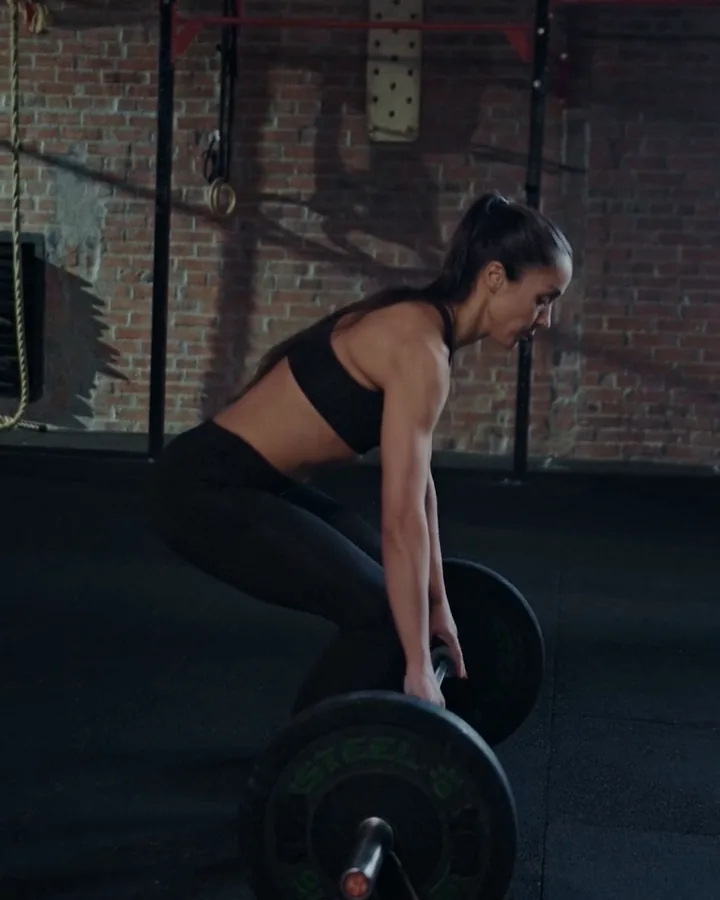
What a good rep looks like
- Hips travel back. The movement starts by pushing the hips behind you, and the torso tips over because the hips went back, not the other way round. The camera reads this as the hip angle closing while the knees stay soft.
- Back holds its line. From the top of the head to the hips, one long line. Eyes a few feet ahead on the floor, not up.
- Knees soft, not bent. A little bend that stays the same through the rep. If the knees keep folding, it has become a squat.
- Finish tall. Hips all the way through, glutes squeezed, standing straight. Not leaning back, not stopping short.
The four faults and what the coach says
Short hinge
The hips never travelled far enough back and the rep stayed shallow. You should feel the hamstrings stretch at the bottom; if you don't, there is more hinge there.
The coach says: "Push the hips further back." · "Hinge deeper. Hips back, chest follows." · "That one was short. Reach the hips back and feel the hamstrings." · "More hip travel on this one, soft knees."
Back rounding
The upper back rounds and the head drops on the way down. It is the fault that matters most under load. Brace the stomach before the rep, keep the chest proud, and keep the bar or the weights close to the legs so they don't pull you forward.
The coach says: "Flat back. Chest proud, eyes a few feet ahead." · "Back is rounding. Brace and keep the spine long." · "Ribs down, long spine, head in line." · "Keep that back flat as a table."
Knees too bent
The knees folded well past soft and the hinge became a squat. The hamstrings and glutes clock off and the quads take over, which is not what the exercise is for. Think shins vertical, hips back.
The coach says: "Less knee, more hip. Soft knees only." · "You're squatting it. Push the hips back instead." · "Knees soft, not bent. Hinge from the hips." · "Shins stay vertical. Send the hips back."
Not finishing
The rep stopped short of standing tall. Common at the end of a set, or when the weight is heavy. Drive the hips through and squeeze the glutes at the top; the rep is not over until you are upright.
The coach says: "Stand all the way up. Squeeze the glutes at the top." · "Finish the rep tall. Hips through." · "Lock it out at the top, glutes tight."
How to check yourself
- Phone at hip height, 6 to 8 feet back, side-on, head to feet in frame. Stand so the bar or the weights are on the far side of you from the camera, so the plates don't hide your hips. The filming guide has the rest.
- Pause at the bottom. Draw a line in your head from your head to your hips. Straight means straight.
- Watch the shins. If they travel forward, the knees are bending; if they stay put, you are hinging.
Variations the same rules cover
Bodyweight hinge, Romanian deadlift with dumbbells or a bar, conventional deadlift, single-leg Romanian deadlift. The single-leg version adds a balance problem but the coach watches the same things on the standing leg. Start with the bodyweight hinge: hands on your hips, push them back until the hamstrings pull, stand tall. Everything else is that with a weight in your hands.
How Loopform AI coaches it
Side-on to the phone at hip height, the coach reads the hip angle of the side nearer the camera to count reps and judge how far the hips travelled, watches the knee angle to catch a hinge turning into a squat, uses the line from ear to shoulder to hip as a proxy for a rounding back, and marks a rep that stops short of standing tall. One cue per rep, out loud.
Rep counting and form cues are free, with or without a subscription. Video never leaves your phone unless you share a clip. Android arrives in January.